I have a soft spot for a plain wall, which I realise is not much of a personality trait to lead with.
Not what hangs on it. The wall itself. The finish. The way late afternoon light lands on it and seems reluctant to leave.
Some people notice shoes. I notice plaster.
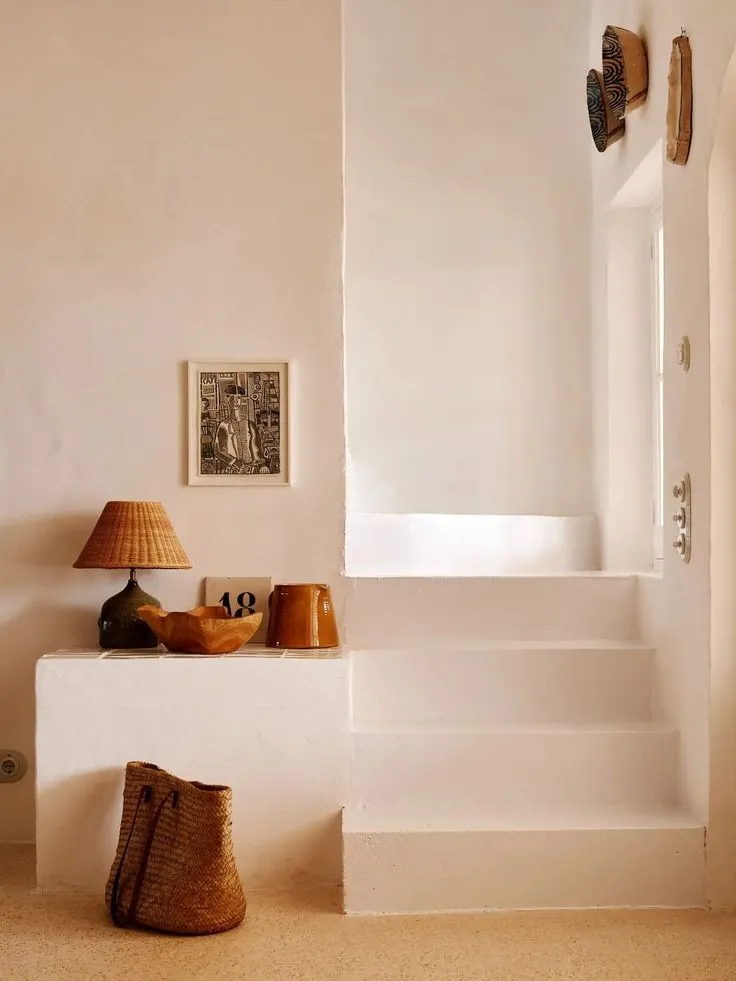
The wall I mean is limewash or lime plaster. The cloudy, hand-worked kind. It isn’t quite paint. Paint arrives, gets itself organised, and stays exactly where you left it. Plaster has other ideas. It darkens here, pales there, catches the light differently at breakfast than it does before dinner. You never look at quite the same wall twice.
You don’t so much apply it as coax it into behaving.
What I like most is that it makes a new house seem less… new. Fresh paint has the unmistakable confidence of something that happened yesterday. Plaster is harder to date. Finish it on Tuesday and by Friday it already looks as though people have been walking past it for years.
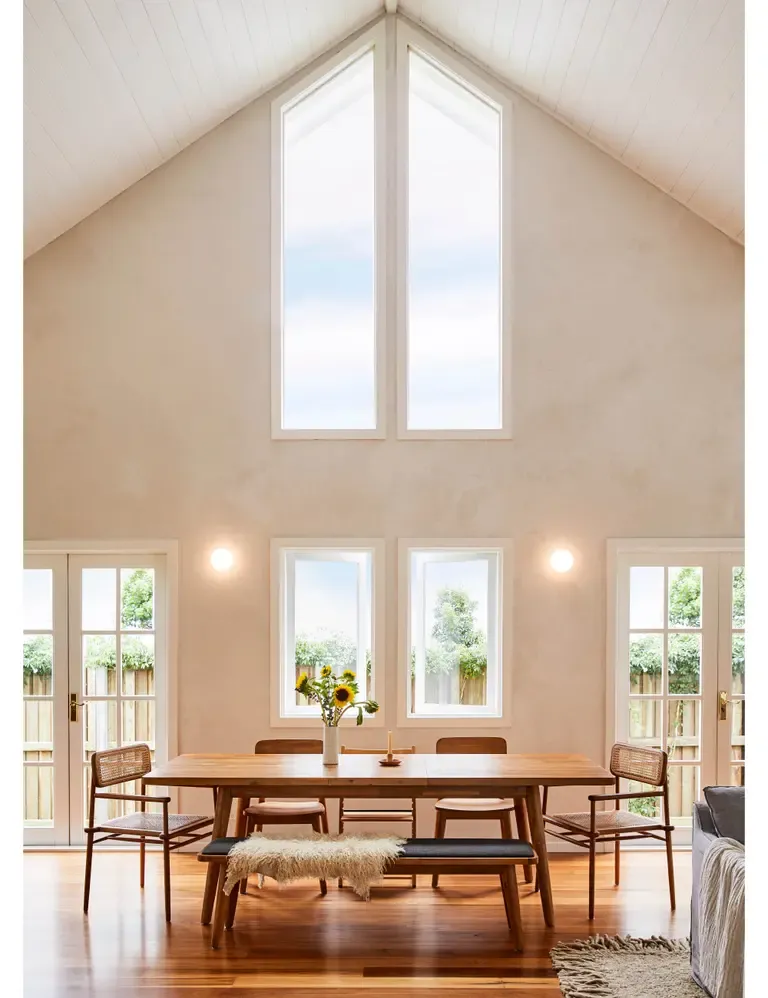
There is a sensible case for choosing it. Limewash and lime plaster breathe. They are made from wonderfully ordinary things: lime, sand, water, a little earth. They don’t peel so much as age. They become slightly deeper, slightly softer, rather than giving up all at once.
Nobody clouds a wall for the microbiology.
They do it because they walked into a room with plaster walls once and thought, what is different in here? Then they spent the next six months looking suspiciously closely at other people’s walls.
The photographs explain it better than I can.
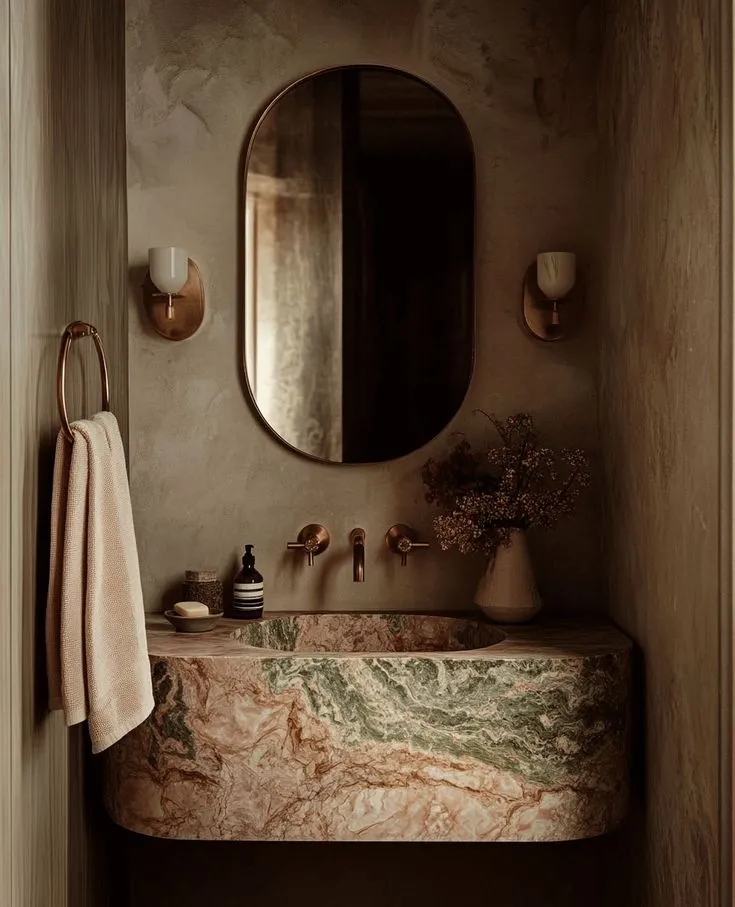
Old timber seems happier beside plaster. Brass loses that freshly polished look and becomes mellow. Linen looks as though it’s been washed a hundred times, in the nicest possible way. A branch in a jug stops looking like a last-minute decision and starts looking entirely at home.
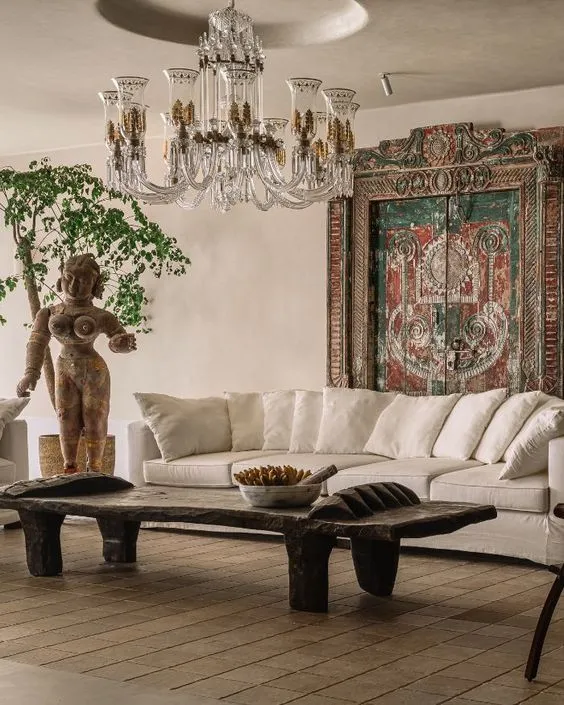
The wall itself has enough variation that it never feels empty. That’s why rooms with very little furniture often look so comfortable when the walls are plastered. There isn’t much to distract you, but somehow you don’t feel anything is missing.
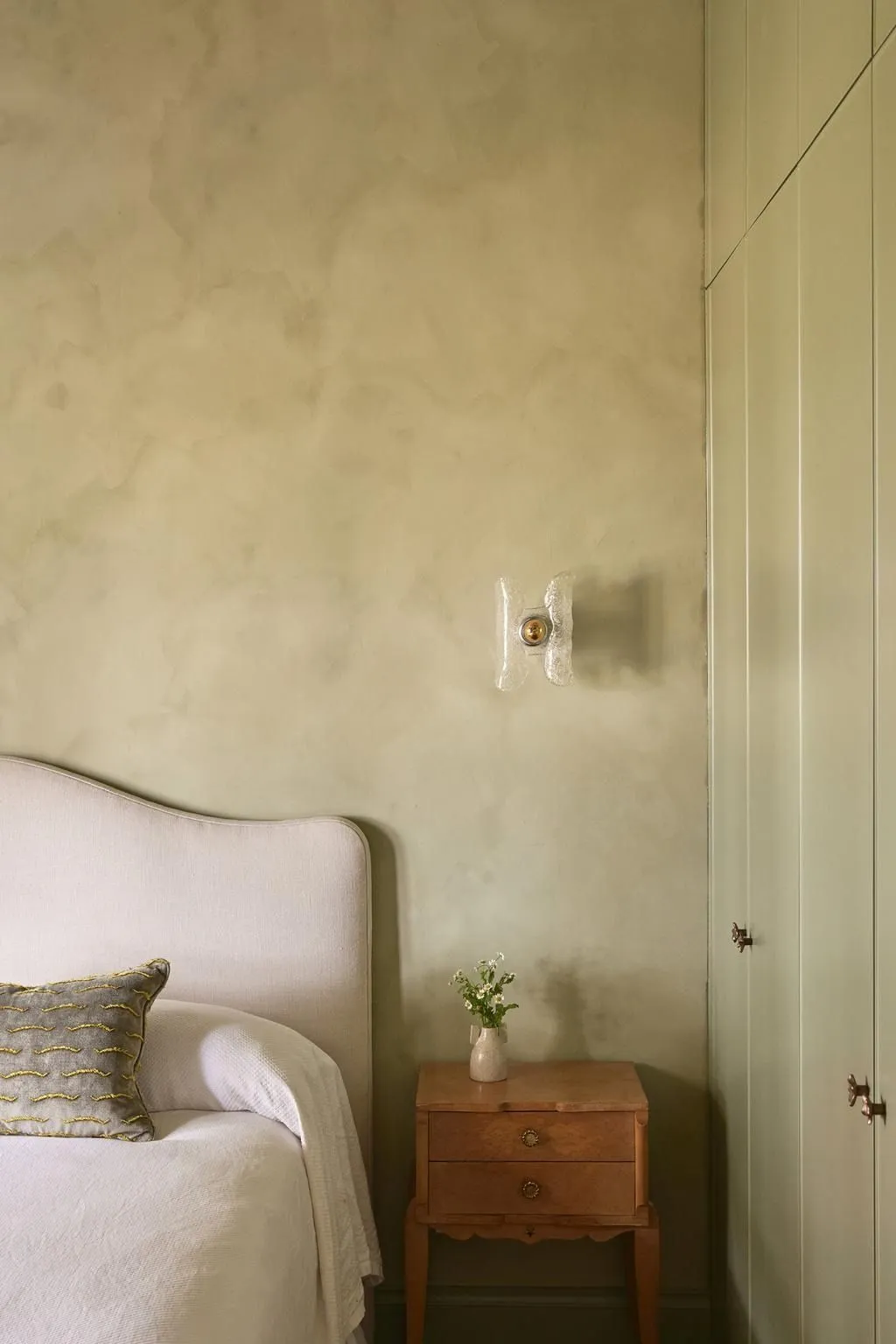
It isn’t only for pale neutrals, either.
Off-whites become creamy instead of stark. Terracottas look sun-baked rather than freshly mixed. Deep greens become richer and less flat. The colour doesn’t change so much as gain a little uncertainty, and uncertainty, in a wall at least, is surprisingly attractive.
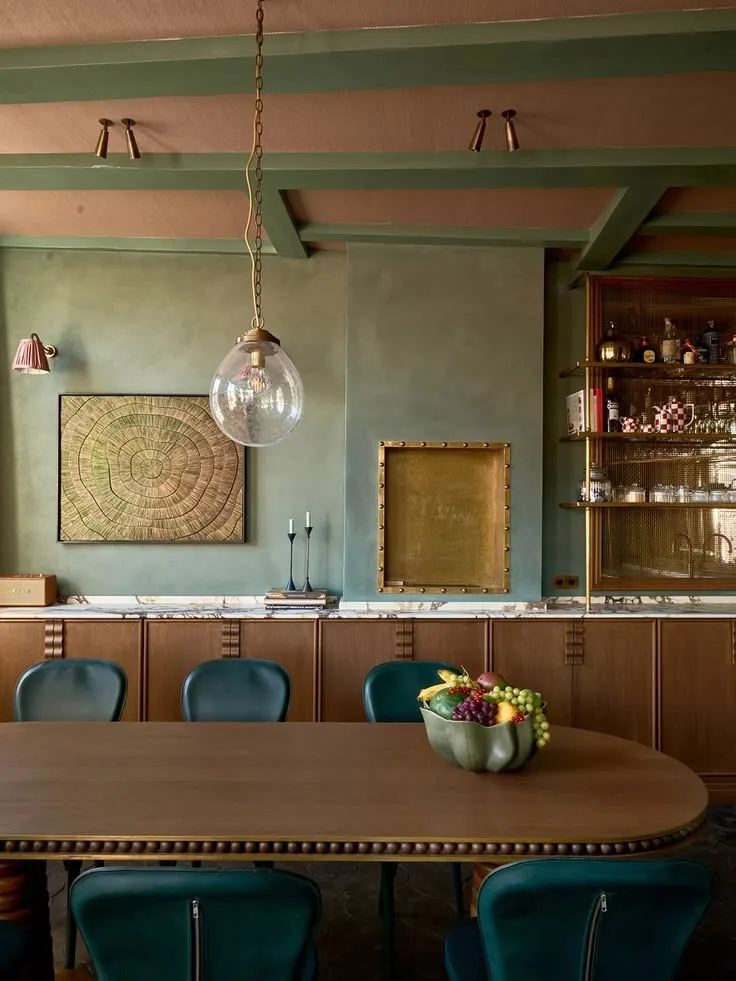
Then leave it alone.
The nicest plaster walls are never the ones somebody spent six months perfecting. They’re the ones somebody finished, admired briefly, and got on with living in front of.
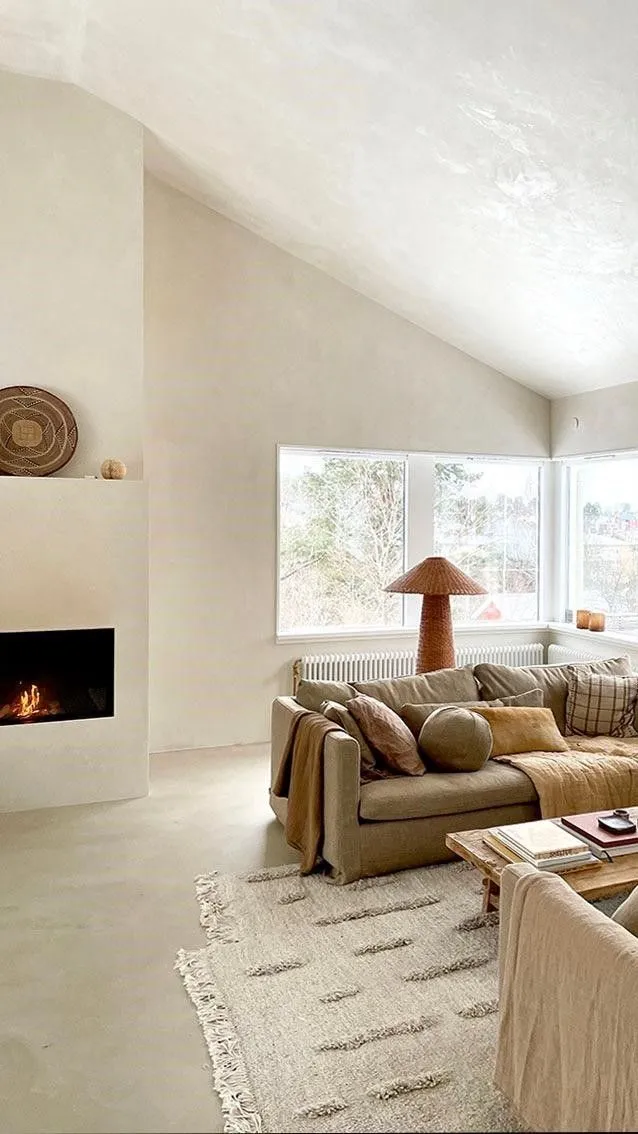
There is one small warning.
Limewash behaves like a diva. It wants soft brushes, several coats and a surprising amount of faith. Trowelled plaster wants patience and a reasonably steady hand. Both go through an awkward stage where they look streaky, patchy and faintly alarming.
Ignore them.
They nearly always know what they’re doing.
And don’t become too attached to the sample pot. The wall you end up with will almost certainly not be quite the colour you imagined. That isn’t a mistake. It’s the reason people choose plaster in the first place.
Anyway. I warned you I had feelings about a wall.
I realise there are people with hobbies and sporting achievements. Mine is standing in someone else’s hallway wondering what finish they used.
I can live with that.